Article
Do Aluminium Milk Cans Rust? What Reddit Gets Right and Wrong
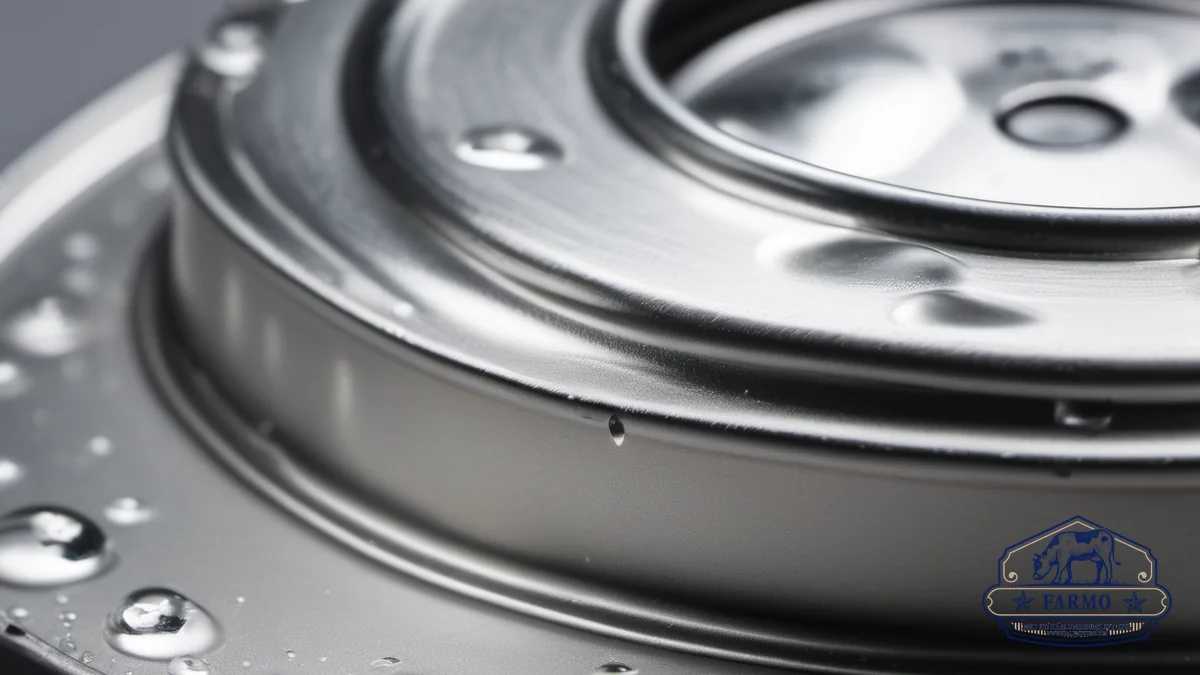
Short answer: aluminium milk cans don't rust the way iron and steel do. Rust is iron oxide; aluminium instead forms a thin, hard oxide layer that actually protects the metal underneath. What aluminium can do is pit and corrode if that layer is attacked — and this is exactly the point that threads on Reddit's r/restoration and homestead communities tend to blur.
What Reddit gets right
Dig through restoration and dairy threads on Reddit and the good advice is consistent:
- "It's oxidation, not rust." Experienced restorers correctly point out that a grey or white film on an old can is aluminium oxide, not iron rust. That's accurate — and it's usually harmless surface dulling.
- "Don't attack it with steel wool." The r/CleaningTips consensus is right: harsh wire brushes and coarse steel wool scratch aluminium, strip its protective layer and create crevices. Gentle methods win.
- "Vinegar helps." A mild acid like vinegar lifts oxidation and milkstone without eating the metal — a common, sound tip in restoration threads.
What Reddit gets wrong (or misses)
- "Aluminium never corrodes." Not true. Milk itself is mildly aggressive — research on dairy equipment has shown that ions in milk can break down aluminium's protective oxide layer and cause pitting over time, especially if milk is left sitting or the can is stored wet.
- "Any old can is fine for milk." A decades-old decorative can of unknown alloy and lining is not the same as a new, food-grade can made to standard. For food use, material matters.
- Mixing up cans. Many "rusty milk can" threads are actually about steel or galvanised cans — which genuinely rust. Aluminium and steel cans behave completely differently.
What actually causes pitting in an aluminium milk can
Pitting — small craters in the surface — happens when the oxide layer is breached and can't re-form. The usual culprits:
- Milk left standing in the can instead of emptied and rinsed promptly.
- Storing the can wet or sealed, so moisture sits inside.
- Harsh, chloride-heavy or acidic cleaners left in contact too long.
- Scratches from abrasive scrubbing that destroy the protective layer.
Prevent all of this with a simple routine — empty, rinse, wash gently, dry fully, store with the lid off. Our guides on cleaning and preventing dents, leaks and pitting cover it in detail.
The manufacturer's view
A new, food-grade aluminium milk can, cleaned and dried properly, will not "rust" and will resist corrosion for years. The problems Reddit describes come from neglect, wet storage or confusing aluminium with steel — not from aluminium being a poor milk container. UB Aluminiums has made food-grade aluminium milk cans since 1957; ask us anything about care or material.
FAQs
Do aluminium milk cans rust?
No. Rust is specific to iron and steel. Aluminium forms a protective oxide layer instead, so it doesn't rust — though it can pit or corrode if that layer is damaged or if milk is left standing.
What is the white or grey film on an aluminium milk can?
It's aluminium oxide — harmless surface oxidation, not rust. A mild acid like vinegar removes it; avoid steel wool, which scratches the protective layer.
Why does my aluminium can have small pits?
Pitting comes from the oxide layer being breached — usually milk left standing, wet storage, or harsh cleaners. Empty, rinse, wash gently and dry fully to prevent it.
Explore Our Aluminium Range
Quality aluminium utensils, manufactured in India since 1957.
View Products