
Article
Aluminium Milk Can Care: Preventing Dents, Leaks and Pitting
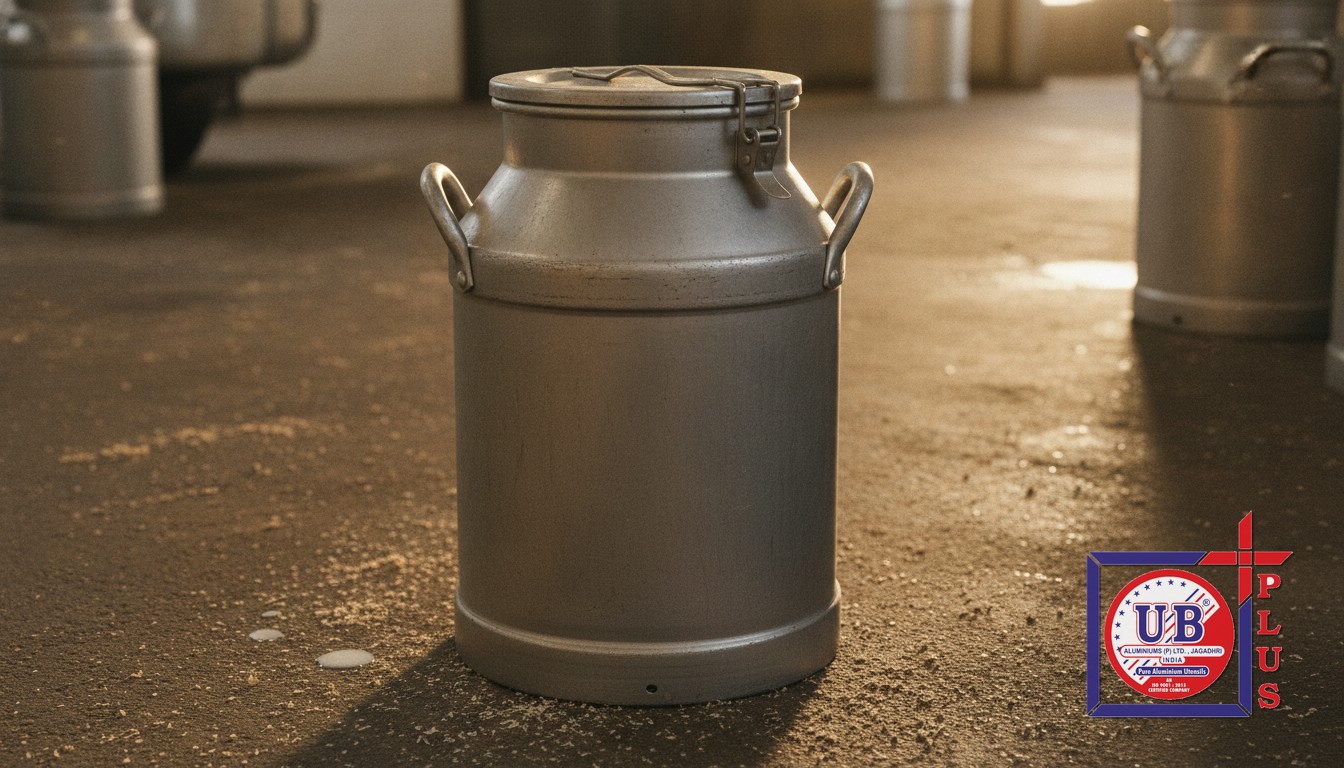
Prompted by how long dairy equipment lasts, a recurring theme in homestead and dairy threads on Reddit such as r/homestead and r/dairyfarming.
An aluminium milk can lasts for years when you protect three things: the rim and base from hard knocks, the seams and lid from leaks, and the surface from deep pitting. Most cans that fail early were thin to begin with, dropped repeatedly on hard floors, or closed while wet. With a heavy-gauge can and a little care, dents and leaks are rare. Here is how to keep a can in service, from a milk can manufacturer working since 1957.
Start with gauge
Durability begins before you buy. Gauge, the thickness of the aluminium, decides how a can survives daily handling. A thin can dents at the rim and base and starts to leak at the seams within a season or two. A heavy-gauge can keeps its shape and seal for years. If longevity matters, buy the heaviest gauge your budget allows and judge a can by its weight in the hand.
Preventing dents
- Set it down, do not drop it. Most dents come from dropping a full can onto a hard floor or truck bed. A rubber mat where cans are loaded saves a lot of damage.
- Protect the rim. The rim seats the lid, so a dented rim leaks. Avoid stacking heavy items on an open can or knocking the rim against edges.
- Do not overfill. A can filled to the brim is heavier and more likely to be mishandled. Leave a little headroom.
Preventing leaks
- Check the seams and base. Leaks usually start at the base seam after repeated impacts. Inspect them when you wash the can.
- Look after the lid, clamp and gasket. A worn gasket or bent clamp lets milk seep and spoils in transit. Replace a worn gasket rather than forcing the lid.
- Keep the rim true. A straight rim and a clean seat are what make the lid seal. Straighten or retire a can with a badly bent rim.
Protecting the surface
Clean with a soft brush, not harsh steel wool, which gouges the surface and creates pits. Let the natural grey layer build up with use, as it protects the metal. Do not store salty or sour food in the can, and do not leave harsh cleaning chemicals standing in it. Dry the can fully before closing the lid so moisture does not sit inside.
When to retire a can
Retire any can that is cracked, leaking at a seam you cannot fix, deeply pitted inside, or so dented at the rim that the lid will not seal. A can that cannot seal or stay clean is a risk to the milk, and replacing it costs less than a spoiled batch.
Frequently asked questions
How long does an aluminium milk can last?
A heavy-gauge can, handled with care and dried properly, lasts many years. Thin cans that are dropped and closed wet fail much sooner.
How do I stop my milk can denting?
Buy a heavy gauge, set cans down rather than dropping them, use a rubber mat where they are loaded, and protect the rim.
My milk can leaks at the bottom. Can it be fixed?
Minor seam issues can sometimes be repaired, but a can that leaks after repeated impacts is usually near the end of its life. Inspect seams regularly to catch it early.
Does aluminium rust?
Aluminium does not rust like iron. It forms a thin grey oxide layer that protects it. The real enemies are dents, deep pits and trapped moisture, not rust.
Want milk cans built to last?
Heavy gauge, clean seams and a well-fitting lid are what keep a can in service for years. We manufacture aluminium milk cans under our FARMO line in a range of sizes and gauges, and supply wholesale across India and for export. Contact us for a quote.
Explore Our Aluminium Range
Quality aluminium utensils, manufactured in India since 1957.
View Products